


Recovering quickly from a gym injury is not just about resting, but about following smart steps that help your body heal the right way. Whether it is a strained muscle, sore joint, or minor tendon issue, knowing what to do in those first hours and days can make a huge difference. With the right approach, you can reduce pain, prevent further damage, and safely return to training stronger and more confident.
Supporting Recovery with the Right Supplements and Peptides
Supporting recovery with the right supplements and peptides can help many athletes feel more prepared during the healing phase after a gym injury. Some people choose to include scientifically researched peptides and recovery-supporting supplements in their routine to potentially assist tissue repair, reduce discomfort, and support overall recovery. However, it is extremely important to approach this carefully, use products responsibly, and always prioritize safety and professional guidance. Many users also find tools like a bpc 157 dosage calculator helpful for educational purposes when learning about research discussions related to peptides. Still, supplements and peptides are not magic solutions. They should never replace rest, proper rehabilitation, hydration, balanced nutrition, and gradual return to activity. Listening to your body and being patient remains the most important part of the process. With a thoughtful and informed approach, recovery can feel smoother and less stressful.
Immediate Steps to Take Right After a Gym Injury
Immediate steps after a gym injury can make a big difference in how well recovery begins. The first thing to do is stop training immediately to prevent the injury from getting worse. Avoid “pushing through the pain,” because that can lead to more serious damage. Staying calm and assessing the injury helps you understand whether it feels like a simple strain or something more serious. Many people choose rest, gentle cooling, and avoiding pressure on the injured area during the first hours. If pain is intense, swelling increases, or movement becomes difficult, seeking professional medical advice is always the safest option. Acting quickly, responsibly, and not ignoring symptoms is the smartest way to support your body right after an injury.
The Importance of Rest, Ice, and Proper Care
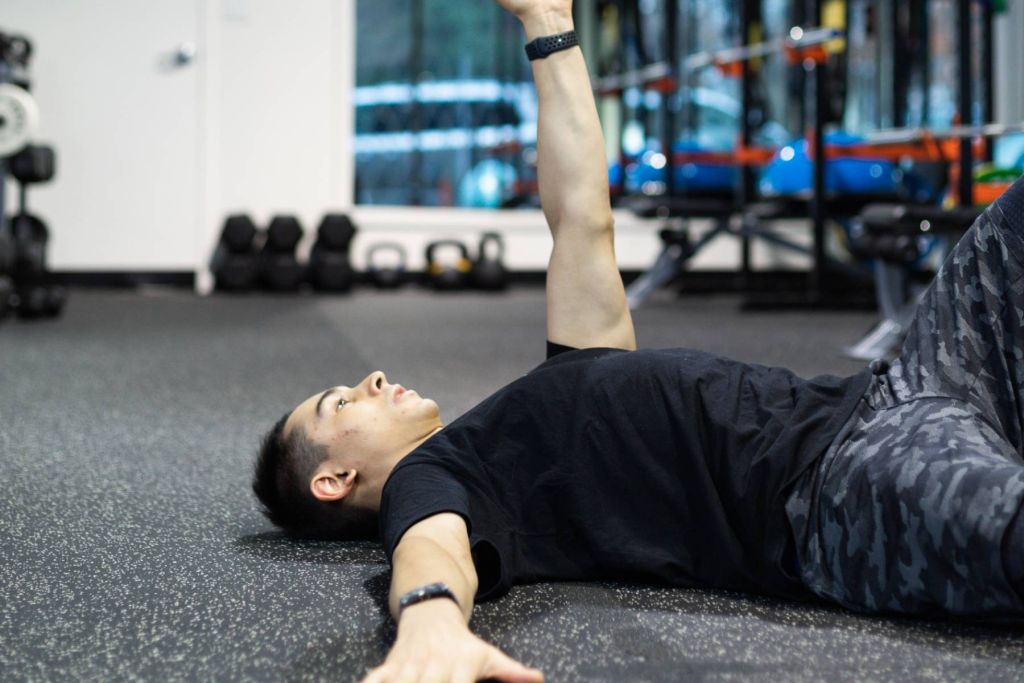
Rest, ice, and proper care play a crucial role in helping the body recover safely after a gym injury. Rest prevents additional stress on the injured area and gives tissues time to begin healing. Applying ice in short intervals can help reduce swelling and discomfort, especially in the first 24 to 48 hours. It is also important to avoid unnecessary pressure, intense movement, or “testing” the injury too soon, because that can slow recovery. Gentle protection, hydration, and paying attention to how the body responds are all part of smart care. If pain becomes stronger, swelling increases, or movement feels limited, seeking professional medical advice is always the most responsible choice. Proper care early on supports safer, faster recovery.
Gradual Return to Training and Smart Movement Progression
A gradual return to training is essential for preventing re-injury and helping your body adapt safely after healing begins. Instead of jumping back into intense workouts, start with light movements that focus on mobility, flexibility, and gentle strength. Pay close attention to how your body responds during and after exercise. If discomfort increases, it is a sign to slow down and give yourself more time. Increasing intensity step by step helps rebuild strength, confidence, and stability without overwhelming your muscles or joints. Many athletes benefit from structured progression, starting with low-impact exercises and slowly moving toward normal training levels. Patience, consistency, and listening to your body are key to returning stronger and safely continuing your fitness journey.
Preventing Future Injuries Through Better Technique and Preparation
Preventing future injuries often starts with learning proper technique and preparing your body before every workout. Using correct form helps reduce unnecessary stress on muscles and joints, while warming up improves flexibility, circulation, and readiness for movement. Strengthening supporting muscles, improving mobility, and not lifting more weight than your body can handle also play a big role in staying safe. Consistency in stretching, proper breathing, and balanced training prevents overloading the same muscle groups. It is also important to listen to your body and avoid pushing through pain, since early warning signs usually mean it is time to slow down. With smarter preparation, patience, and awareness, training becomes safer, more effective, and much more enjoyable.
Conclusion
Recovering from a gym injury requires patience, awareness, and a smart approach. By acting quickly after an injury, prioritizing rest and proper care, and gradually returning to training, you give your body the best chance to heal safely. Focusing on good technique, preparation, and listening to your body can also help prevent future problems. Every injury is a reminder to train smarter, not harder. With the right mindset and careful steps, you can return stronger, safer, and more confident.